
Introduction
When people think about sports, they often focus on competition, fitness, or entertainment. But behind every sport lies a deeper question: what kind of person does it help you become?
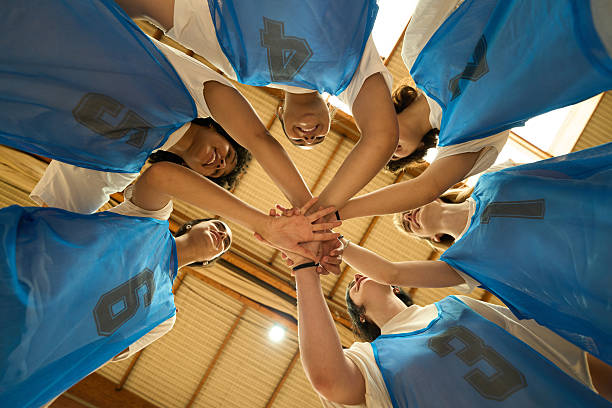
Broadly speaking, sports fall into two major categories: team sports and individual sports. Both develop athletic ability, but they shape mindset, behavior, and personality in very different ways.
This article compares the two to help you understand not which is “better,” but which might suit you more.
1. Core Difference: Shared Responsibility vs Personal Accountability
Team Sports
In sports like football, basketball, or volleyball, performance is distributed across multiple players.
- Success depends on coordination
- Failure is shared
- Roles are specialized (defender, striker, playmaker)
A missed shot is rarely just one person’s fault—it is often a breakdown in teamwork.
Individual Sports
In sports like tennis, swimming, or athletics, the responsibility is fully personal.
- Every result belongs to you
- There is no teammate to rely on
- Performance is directly tied to individual preparation
There is no hiding. If you lose, you lose alone.
2. Psychological Impact
Team Sports: Identity Through Belonging
Team sports often build:
- Communication skills
- Emotional support systems
- Sense of belonging
- Ability to trust others under pressure
Players learn to think:
“How can I contribute to the group?”
However, team environments can also introduce:
- Peer pressure
- Dependency on weaker teammates
- Uneven distribution of recognition
Individual Sports: Identity Through Self-Reliance
Individual sports develop:
- Discipline
- Mental toughness
- Self-motivation
- Accountability
Athletes learn to think:
“What do I need to improve?”
But this also comes with challenges:
- Isolation during training
- Pressure concentrated on one person
- Limited emotional buffering in failure
3. Training Environment
Team Sports Training
Training sessions often involve:
- Tactical drills
- Group coordination exercises
- Simulated match scenarios
- Communication practice
Improvement depends on both individual skill and team chemistry.
A highly skilled player can still struggle in a poorly coordinated team.
Individual Sports Training
Training is typically:
- Highly structured around personal weaknesses
- Repetitive skill refinement
- Coach-centered feedback
- Data-driven performance tracking (times, scores, rankings)
Progress is easier to measure, but also more personally demanding.
4. Pressure and Competition
Team Sports Pressure
Pressure is distributed:
- You may not be the deciding factor in every game
- Responsibility shifts depending on position
- Support from teammates can reduce stress
However, internal politics or team dynamics can add hidden pressure.
Individual Sports Pressure
Pressure is concentrated:
- You are fully responsible for outcomes
- Every mistake is visible
- There is no substitution for performance
At the same time, success is fully yours, which can be highly rewarding.
5. Social Experience
Team Sports
- Strong friendships often form
- Shared victories feel amplified
- Group identity (“we won”) is powerful
Team sports often mirror real-world workplace dynamics.
Individual Sports
- More independent training environment
- Strong coach-athlete relationship
- Social interaction is more selective
Individual sports often feel like a personal journey rather than a group experience.
6. Which One Develops You Better?
There is no universal answer.
- If you value collaboration, communication, and shared experience → team sports may suit you better
- If you value independence, discipline, and personal mastery → individual sports may suit you better
Interestingly, many elite athletes benefit from both:
- Tennis players train in groups
- Footballers develop individual technical drills
- Swimmers rely heavily on personal discipline but train in teams
The real question is not “which is better,” but:
“What kind of growth do I need right now?”
Conclusion
Team sports and individual sports develop two different versions of strength.
One builds you through others.
The other builds you through yourself.
But both ultimately lead to the same outcome: learning how to push your limits, handle pressure, and grow through challenge.
The best athletes are not defined by the category they choose—but by how deeply they commit to it.
Author: Editorial Team
Disclaimer: This article is for educational and informational purposes only. It does not constitute professional sports training, medical, or coaching advice.