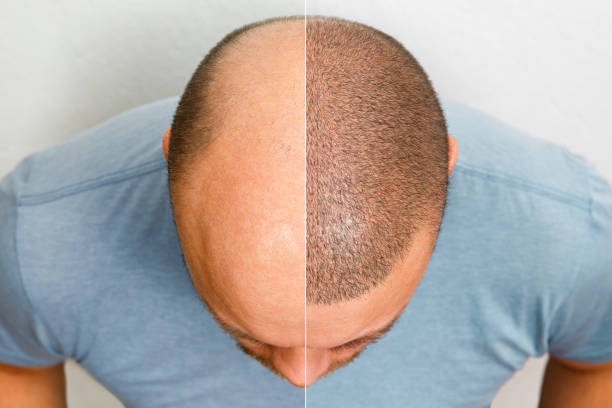

Hair loss affects millions of Americans, impacting everything from daily confidence to quality of life. In 2026, a quality hair transplant can cost anywhere from 4,000tomorethan4,000tomorethan20,000, with the average procedure falling between 6,000and6,000and12,000. While this may seem like a significant investment, the reality is that thanks to competitive pricing, FUE technology, and accessible financing options, achieving natural permanent restoration is more affordable than ever. This guide breaks down everything you need to know: what you will actually pay, how to find lower-cost options without compromising quality, the legitimate health and psychological benefits of restoration, and the potential risks you need to understand before making a decision.
H2: What a Hair Transplant Costs in the U.S. (2026 Data)
Hair transplant cost in the United States continues to be based primarily on the number of grafts required, typically ranging from 4to4to12 per graft. Most reputable clinics charge between 5and5and10 per graft, with the final price shaped by the technique used (FUE vs. FUT) and the surgeon’s experience and reputation. Here is an up-to-date breakdown of standard price ranges:
💰 Hair Transplant Cost Per Graft (2026 Estimates)
| Procedure Size | Graft Count | Typical Cost Range |
|---|---|---|
| Small Procedure | Under 800 grafts | $4,000 (flat fee) |
| Hairline Restoration | 800 – 1,500 grafts | 4,000–4,000–12,000 |
| Moderate Procedure | 2,000 grafts | 6,000–6,000–12,000 |
| Extensive Procedure | 3,000+ grafts | 10,000–10,000–18,000+ |
Average derived from clinical consultations; individual results vary significantly
H2: How to Get an Affordable Hair Transplant Without Compromising Quality
A high-quality, affordable hair transplant is possible with the right approach. The cheapest headline price is rarely the best value, but you can access lower costs in several legitimate ways.
🏦 Smart Financing and Low Monthly Payments
Financing a hair transplant through structured monthly payment plans is one of the most effective ways to make treatment affordable. Leading providers such as CareCredit, LendingClub, and Cherry offer medical financing specifically for cosmetic procedures. However, understanding the fine print is crucial:
- True 0% APR financing vs. deferred interest: Many medical credit cards appear to offer “0% interest” for 12–24 months. But if any balance remains at the end of the promotional period, you will be charged retroactive interest on the entire original balance at rates as high as 26–29% — adding thousands of dollars to your final cost. Instead, seek true fixed-rate installment loans with full transparency.
- In-house financing: Some clinics offer payment plans directly through their practice. Monthly installments can be as low as 129–129–150 per month, allowing patients to undergo treatment now and pay over time. These plans often require a down payment but come with predictable monthly schedules.
🏦 HSA/FSA Strategic Funding
Use pre-tax savings vehicles like Health Savings Accounts (HSAs) and Flexible Spending Accounts (FSAs). When deemed medically necessary in certain cases, these tax-advantaged funds can reduce your effective procedure cost by 22–37% depending on your tax bracket. For a 15,000procedure,that’sbetween∗∗15,000procedure,that’sbetween∗∗3,300 and $5,550 in tax savings** — a powerful tool for stretching your budget.
✈️ Medical Tourism for Lower Per‑Graft Costs
For patients willing to travel, the cost gap is substantial. In the United States, a 3,000-graft FUE procedure can exceed $12,000. In leading destinations like Turkey and India, the same procedure with inclusive packages costs significantly less:
- Turkey: 2,000–2,000–3,800
- India: 1,500–1,500–3,500
- Thailand: 3,500–3,500–7,500
However, the affordable price tag comes with trade-offs: limited follow-up care after you return home, less rigorous regulatory oversight in some countries, and the risk that a cheap procedure performed by technicians will require expensive revision surgery later. Always verify surgeon credentials and clinic accreditations before booking.
👨⚕️ Lower-Graft Targeted Treatment
Not every patient needs 3,000 grafts. A targeted procedure of 800–1,500 grafts focused on the frontal hairline or crown can be significantly more affordable while still delivering natural-looking restoration. For small procedures under 800 grafts, clinics like Bosley offer fixed pricing starting at $4,000, effectively lowering your per-graft cost for small-volume treatments.
H2: Market Trends & Technology in 2026
The global hair transplant market is projected to grow from 7.9billionin2026to7.9billionin2026to11.3 billion by 2033, at a compound annual growth rate (CAGR) of 5.2% . This rapid growth reflects increasing aesthetic awareness, social media influence, and the expanding younger patient demographic. FUE continues to dominate the industry, holding an estimated 61.7% of the market in 2026, driven by its minimally invasive nature, reduced scarring, and rising global preference for natural-looking results.
In the United States alone, the annual procedure volume is projected to reach approximately 280,000+ by 2026, accounting for 12-15% of the global market. Additionally, hair transplant repair procedures have become more common as overseas complications reshape domestic demand, reaching 6.9% of all cases—an important consideration when weighing international options.
On the technology front, advanced FUE techniques (Ultrafine Micro‑FUE, Direct Hair Implantation, and robotic-assisted FUE) are receiving high satisfaction scores for one‑day procedures, minimal downtime, and natural results, with pricing around 5–5–6 per graft. For a detailed comparison of extraction methods, the table below lays out key distinctions:
✂️ FUE vs. FUT: Key Considerations
| Factor | Follicular Unit Extraction (FUE) | Follicular Unit Transplantation (FUT) |
|---|---|---|
| Donor Scar | Scattered micro-dots (heals inconspicuously) | Single linear scar |
| Cost Per Graft | 6–6–10 | 4–4–6 |
| Recovery | Faster, less discomfort | Longer, more post-op tightness |
| Suitability for Short Hair | Excellent (no visible scar) | Limited |
| Graft Count/Session | 3,000+ grafts typical | 4,000+ grafts possible |
H2: Health Benefits — Why a Hair Transplant Is About More Than Appearance
A health-conscious hair transplant offers benefits that extend well beyond vanity. The proven psychological and emotional improvements are some of the most well-documented outcomes in aesthetic medicine.
🧠 Substantial Psychological Gains
Hair loss is associated with significant psychological distress and can exacerbate depression, anxiety, and social withdrawal. When patient expectations are well managed and psychological risk factors are considered, hair transplantation can lead to improved self-esteem, confidence, and emotional well‑being. The evidence is clear:
- In women with androgenetic alopecia, a validated questionnaire showed that the Hair and Scalp Problem Score (HSS29) median score dropped from 31.47 to 5.17 (p<0.001) after surgery — representing a dramatic improvement in daily emotional functioning and quality of life.
- In men, over 90% report feeling better about themselves after restoration, with documented improvements in social confidence, dating, and professional self‑presentation.
🌱 Permanent, Natural-Looking Results
Unlike temporary topical treatments or oral medications, a permanent hair transplant yields lifelong coverage. Follicles taken from the donor area (typically the back of the head) are genetically resistant to DHT, the hormone responsible for pattern baldness. Once transplanted, they continue to grow for a lifetime. Under the care of a qualified surgeon, graft survival rates typically reach 90–95%, and clinical studies show 86–95% of patients report excellent results.
👩 Older Adults and Women
Female surgical patients have increased by over 15% in recent years, reflecting broader acceptance of cosmetic treatments across genders. Women undergoing hair transplants report significant improvements in self-esteem, body image, and social functioning, making restoration a beneficial intervention for female pattern hair loss. Approximately 95% of first-time surgical hair restoration patients fall between ages 20–35, showing strong interest from younger demographics.
💡 Pro Tip: The ISHRS reports that 95% of first-time hair restoration patients are between 20 and 35 — a demographic highly active on social media and in professional environments where appearance matters. If you’ve been delaying treatment because you assume hair transplants are “for older people,” the data shows otherwise.
H2: Hair Transplant Risks and Side Effects You Should Know
Like any surgical procedure, hair transplant risks exist, but serious complications are uncommon when performed by a qualified, board‑certified surgeon in a well‑regulated medical facility. However, it is essential to understand the range of potential side effects.
⚠️ Common, Temporary Side Effects
Most side effects are mild and self-limited, resolving within days or weeks. They include:
- Swelling of the forehead, around the eyes, and cheeks (occurs in ~70% of patients, typically on days 2–3, resolving within 5–7 days).
- Mild pain and discomfort in the donor and recipient areas
- Scabbing and crusting around transplanted grafts (falls off within 7–10 days)
- Temporary shock loss — existing native hair in the recipient area may shed temporarily; this is normal and regrowth occurs within a few months
🚨 Rare but More Serious Complications
With proper surgical technique, more significant complications are uncommon. Large clinical series estimate overall complication rates between 1.2% and 4.7%, with major adverse events being rare. Rare complications include:
- Infection (minimized by sterile protocols and prophylactic antibiotics)
- Visible scarring or keloid formation (more common in patients with a predisposition to abnormal scarring)
- Graft failure or poor survival (often due to improper graft handling, prolonged ischemia time, or inexperienced technicians)
- Unnatural appearance (hairline too low, incorrect angulation, or pluggy look)
- Donor area depletion — overharvesting of donor follicles in FUE can lead to visible thinning or a moth‑eaten appearance in the donor area; this risk is primarily associated with inexperienced surgeons or unregulated clinics
The single most important factor in minimizing these risks is who performs the surgery. According to the American Board of Hair Restoration Surgery (ABHRS), the surgical act of creating extraction incisions must be performed by the physician of record, not delegated to technicians. Yet many clinics offering bargain pricing routinely violate this standard. The consequences of technician‑performed surgical steps include higher complication rates, unnatural‑looking results, and poor graft survival.
⚠️ Red Flag Warning: RealSelf reports a 97% patient satisfaction rating for hair transplant surgery, while lower upfront costs often mean patients are paying for technician work rather than surgeon expertise. If a clinic offers prices that seem dramatically cheaper than the market average, ask directly: “Who performs the extraction and implantation, and what percentage of the procedure is performed by the surgeon versus technicians?”
H2: Quick Summary — Key Hair Transplant Facts at a Glance (2026)
| Category | Key Takeaways |
|---|---|
| Average Cost in the U.S. | 6,000–6,000–12,000 (2,000–3,000 grafts) |
| Per‑Graft Pricing | 5–5–10 (most clinics) |
| Global Market Size (2026) | 7.9billion(expectedtoreach7.9billion(expectedtoreach11.3B by 2033) |
| FUE Market Share | 61.7% (leading technique) |
| Graft Survival Rate | 90–95% (qualified surgeon) |
| Psychological Satisfaction | 86–97% (in peer‑reviewed studies and patient surveys) |
| Most Common Side Effect | Swelling (~70% of patients, temporary) |
| Serious Complication Rate | 1.2 – 4.7% (rare with experienced surgeons) |
Conclusion
A medical hair transplant is a significant investment in your appearance, health, and confidence — but in 2026, it is more affordable than ever before. With total costs ranging from 4,000forsmalltargetedproceduresto4,000forsmalltargetedproceduresto18,000 for larger sessions, and monthly payment plans starting as low as 129–129–150, the path to natural permanent restoration is financially within reach for many patients. The health benefits are well documented in peer‑reviewed research: significant improvements in self-esteem, body image, social confidence, and quality of life, particularly when patient expectations are properly managed. However, awareness of hair transplant risks — including temporary swelling, rare infection, and the risk of unnatural results from untrained technicians — is essential for making a safe, informed decision. The key to successful restoration is not simply finding the lowest price, but rather choosing a qualified, board‑certified surgeon whose expertise delivers the high graft survival, natural hairline design, and enduring satisfaction that a genuine permanent hair restoration provides.