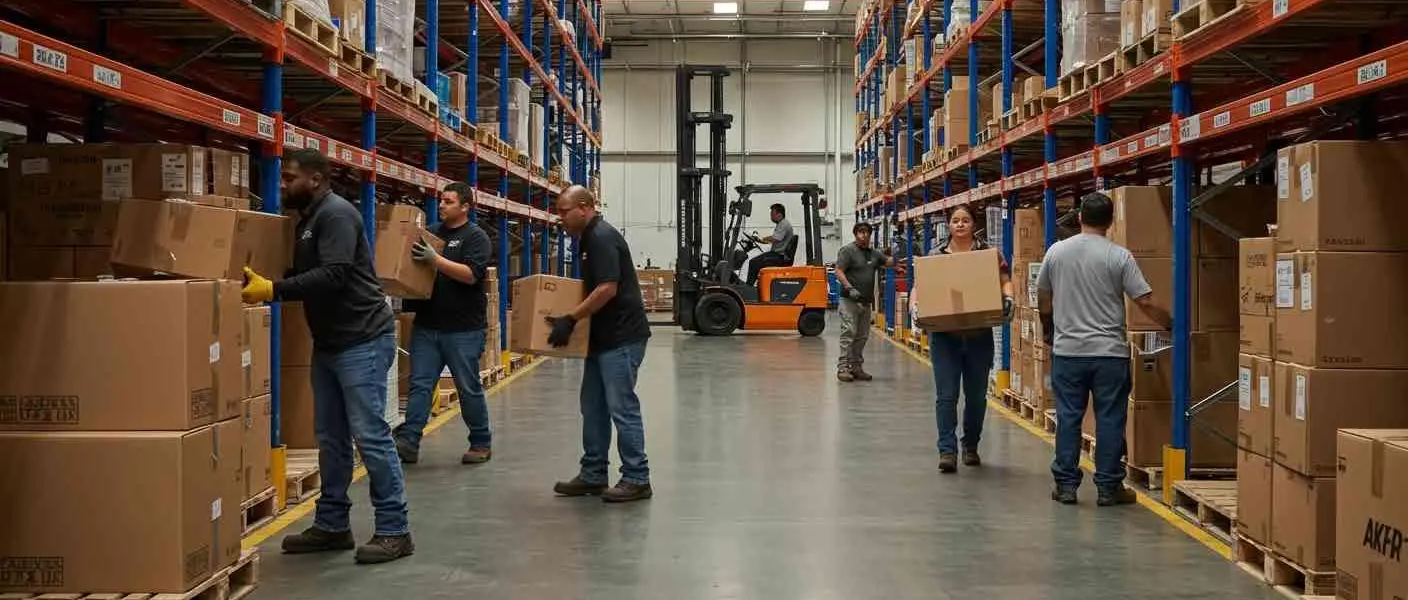

In the bustling and highly competitive US warehouse market, warehouse workers play a crucial role. With the continuous growth of e – commerce and the supply chain industry, how can warehouse workers stand out and thrive? This article will provide you with in – depth insights and practical strategies.
1. Understanding the US Warehouse Industry Landscape
The US warehouse industry has witnessed remarkable growth in recent years. According to industry reports, the e – commerce boom has led to a significant increase in the demand for warehouse space. In 2022 alone, the total square footage of warehouses in the US increased by 5%. This growth has also created a large number of job opportunities for warehouse workers. However, with the increasing competition, workers need to understand the industry’s trends. For example, the adoption of automation technologies such as automated guided vehicles (AGVs) and robotic picking systems is on the rise. Warehouse workers should be aware of these technological advancements and how they might impact their jobs. They need to be prepared to work alongside these automated systems, which may require learning new skills.
2. Developing Essential Skills
To thrive in the US warehouse market, workers must possess a set of essential skills. Physical fitness is a must, as the job often involves heavy lifting, long hours of standing, and walking. But it’s not just about physical strength. Workers also need to have good organizational skills. They are responsible for inventory management, which means keeping track of thousands of items. Attention to detail is crucial to ensure accurate order fulfillment. Additionally, basic computer skills are becoming increasingly important. Many warehouses use inventory management software, and workers need to be able to operate these systems efficiently. For instance, they should be able to scan barcodes, enter data, and generate reports.
3. Safety First: Ensuring Well – being
Safety is of utmost importance in the warehouse environment. In the US, workplace safety regulations are strict. Warehouse workers are at risk of various injuries, such as back injuries from lifting heavy objects, slips, and falls. To prevent these accidents, workers should receive proper safety training. This includes learning how to use safety equipment such as forklifts correctly, wearing appropriate personal protective equipment (PPE), and following safety protocols. For example, they should always use a safety harness when working at heights. By prioritizing safety, workers can not only protect themselves but also increase their productivity.
4. Building a Good Relationship with Employers and Colleagues
In a warehouse setting, teamwork is essential. Building a good relationship with employers and colleagues can significantly enhance a worker’s experience. Employers value workers who are reliable, hard – working, and have a positive attitude. Workers should communicate effectively with their supervisors, providing feedback on work processes and suggesting improvements. At the same time, getting along well with colleagues can create a positive work environment. For example, helping a colleague who is struggling with a task can improve team morale and overall productivity.
5. Continuous Learning and Career Advancement
The warehouse industry is constantly evolving, and workers need to keep learning to stay relevant. There are various training programs available in the US that can help workers acquire new skills. For example, courses in logistics management, supply chain optimization, and advanced inventory control can open up new career opportunities. Workers can also aim for promotions within the warehouse. By demonstrating their skills and dedication, they can move up to positions such as warehouse supervisor or inventory manager.
6. Adapting to Market Changes
The US warehouse market is subject to various external factors, such as economic fluctuations, changes in consumer demand, and technological advancements. Workers need to be adaptable. For example, during peak shopping seasons like the holiday season, the workload in warehouses increases significantly. Workers should be prepared to work overtime and adjust their work schedules. Moreover, as the industry moves towards more sustainable practices, workers may need to learn about new environmental regulations and how to implement green initiatives in the warehouse.
Table: Key Skills and Their Importance in the US Warehouse Industry
| Skill | Importance |
|---|---|
| Physical Fitness | Required for heavy lifting and long – hour work |
| Organizational Skills | Crucial for inventory management |
| Computer Skills | Necessary for operating inventory management software |
| Safety Awareness | Ensures personal well – being and productivity |
| Teamwork | Enhances work efficiency and creates a positive work environment |
| Adaptability | Helps workers cope with market changes |
Summary: Thriving as a warehouse worker in the competitive US market requires a combination of skills, a safety – first mindset, good relationships, continuous learning, and adaptability. By understanding the industry landscape, developing essential skills, and being prepared for market changes, warehouse workers can not only secure their jobs but also advance their careers.
FAQ:
Q: What are the most in – demand skills for warehouse workers in the US?
A: Physical fitness, organizational skills, computer skills, safety awareness, teamwork, and adaptability are highly in – demand.
Q: How can I ensure my safety in the warehouse?
A: Receive proper safety training, wear appropriate PPE, and follow safety protocols.
Q: Are there opportunities for career advancement in the warehouse industry?
A: Yes, by continuous learning and demonstrating your skills, you can move up to positions like supervisor or manager.
Q: How can I adapt to market changes in the warehouse industry?
A: Stay informed about industry trends, be flexible with your work schedule, and be open to learning new skills.