

By Emily Zhao — Bought both. Learned the difference the hard way.
Last updated: May 2026
A 20shirtanda200 shirt. Both are made of cotton. Both cover your body. Why would anyone pay ten times more?
The answer is not just a logo. It is construction, materials, labor, and durability. Sometimes the expensive shirt is worth it. Sometimes it is not.
Here is what you are actually paying for.
Materials
| Fast Fashion | High-End | |
|---|---|---|
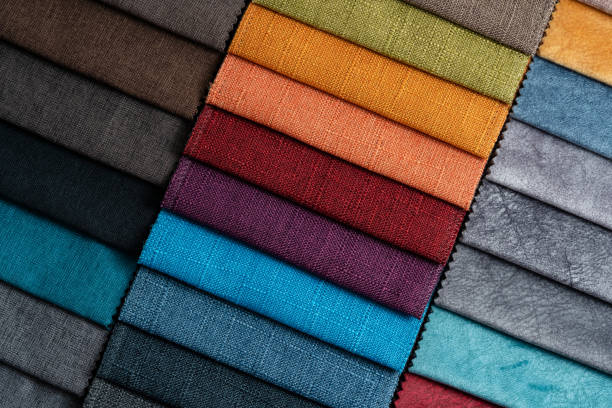
| Fabric | Thin, synthetic blends (polyester, nylon, acrylic) | Natural fibers (cotton, wool, linen, silk) or high-quality synthetics |
| Feel | Rough, plastic, or cheaply soft | Soft, substantial, breathable |
| Durability | Pills, fades, stretches out | Holds shape and color longer |
Fast fashion uses cheap materials because they cost less. Polyester is cheaper than cotton. Thin fabric is cheaper than thick fabric.
High-end uses better materials. A 200cottonshirtuseslongercottonfibers.Theyfeelsofterandlastlonger.A20 cotton shirt uses short fibers. They pill and tear.
Verdict: Materials matter. You can feel the difference.
Construction
| Fast Fashion | High-End | |
|---|---|---|
| Seams | Single-stitched. Threads come loose. | Double-stitched or reinforced. Holds up. |
| Lining | Often unlined or cheap lining | Lined properly. Hangs better. |
| Finishing | Loose threads. Crooked hems. | Clean edges. Patterns match at seams. |
| Buttons | Thin plastic. Sewn loosely. | Thicker plastic, wood, or metal. Sewn securely. |
Fast fashion is made quickly. Factories rush to produce thousands of units. Details are skipped. Seams are straight enough. Buttons are sewn just well enough to get to the store.
High-end takes more time. More stitches per inch. Lining so the fabric hangs correctly. Patterns matched at the seams so the design flows.
Verdict: Construction matters. But only if you wear the item often. For occasional wear, cheaper construction is fine.
Labor and Ethics
| Fast Fashion | High-End | |
|---|---|---|
| Where made | Bangladesh, Vietnam, China (low-wage countries) | Italy, France, Japan, Portugal (higher wages) or transparent factories |
| Worker pay | Below living wage | Fairer wages (not always) |
| Working conditions | Often unsafe. Factory collapses have happened. | Safer. More regulated. |
| Transparency | Opaque. Hard to know where clothes come from. | More transparent (for some brands). |
Fast fashion competes on price. The only way to make a $20 shirt is to pay workers very little. Many fast fashion workers earn below a living wage. Factories cut corners on safety.
High-end does not guarantee ethical production. Some expensive brands use the same factories as fast fashion. But higher prices make fairer wages possible.
Verdict: Expensive does not always mean ethical. Research brands yourself. But cheap usually means someone somewhere was underpaid.
Durability and Cost Per Wear
This is the math that matters most.
| Item | Price | Wears | Cost per wear |
|---|---|---|---|
| Cheap boots | $40 | 6 months (daily wear) | $0.22 per day |
| Expensive boots | $180 | 4 years (daily wear) | $0.12 per day |
The expensive boots are cheaper in the long run. They last longer. You replace them less often.
But this math only works if you actually wear the item. An expensive dress you never wear is expensive. A cheap t-shirt you wear weekly is cheap.
Verdict: Durability matters most for items you use often. Shoes, jackets, everyday bags. For occasional items, cheap is fine.
When to Spend
| Item | Spend | Why |
|---|---|---|
| Everyday shoes | High | You wear them daily. Your feet will thank you. |
| Winter coat | High | You need warmth and durability. Cheap coats do not last. |
| Work bag | High | You carry it daily. Cheap bags fall apart. |
| Jeans | Medium | Good quality matters. 200jeansarenotbetterthan80 jeans. |
| T-shirts | Low | They wear out anyway. Cheap is fine. |
| Trendy items | Low | You will not wear them next year. |
| Formal wear (occasional) | Low | How often do you wear a tuxedo? Rent or buy cheap. |
What You Are Not Paying For
Quality at every price point. Some expensive items are poorly made. Some cheap items are well made. Price is a signal, not a guarantee.
Ethics at every price point. Expensive brands also use sweatshops. Do your research.
Fit. Expensive clothes can fit badly. Cheap clothes can fit well. Fit matters more than price.
How to Shop Smarter
Check the tag. What is the fabric? Natural fibers are usually better. High percentage of cotton, wool, linen, or silk.
Check the seams. Turn the garment inside out. Are the seams straight? Double-stitched? Loose threads? Good construction shows on the inside.
Check the brand. Do they share where their clothes are made? Do they have a sustainability report? Fast fashion brands do not.
Check your own wardrobe. Do you need this? Will you wear it 30 times? If not, do not buy it at any price.
The Bottom Line
You are paying for materials, construction, labor, and durability.
Sometimes expensive is worth it. Everyday shoes. Winter coats. Bags.
Sometimes cheap is fine. T-shirts. Trendy items. Occasional wear.
Price is not quality. But very cheap is rarely good. And very expensive is not always better.
Know what you are paying for. Buy intentionally. Wear what you buy.
About the author: Emily Zhao has bought cheap clothes that fell apart and expensive clothes that were not worth it. She learned to check the seams.
This article is for informational purposes. Price is a signal, not a guarantee. Do your own research.